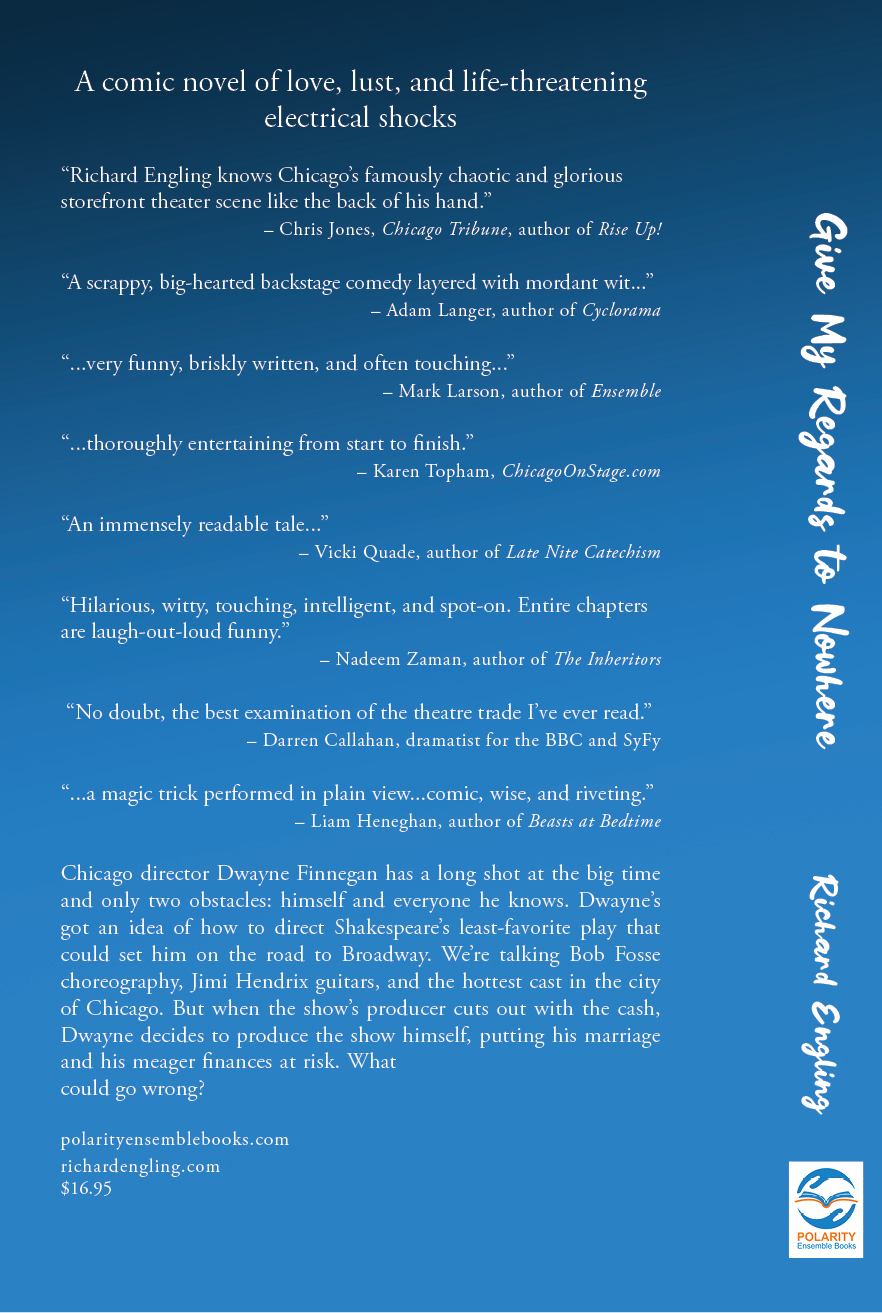
When you work with a great writer, you’re bound to learn some things. In 1992 I had the unlikely experience of hiring and editing the great Ray Bradbury, author of The Martian Chronicles, The Illustrated Man, Fahrenheit 451, Dandelion Wine, and Something Wicked This Way Comes—as well as over 500 other published works, including short stories, novels, plays, screenplays, television scripts, and verse.
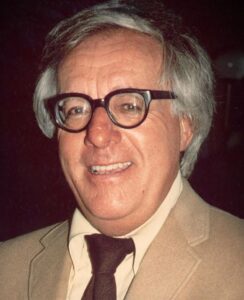
I was working with USA Chicago, the advertising agency for R&D Magazine, which was about to have its 30th anniversary. R&D wanted a special issue for the event and came to us for ideas. I thought “Turning Science Fiction into Science Fact” sounded like a cool Research & Development theme, and I recommended we get sci-fi giant Isaac Asimov or Ray Bradbury to write a special editorial. An article on one of the big Hollywood special effects houses would add something fun, as well. R&D liked the ideas, but they didn’t want the extra work. I was put in charge.
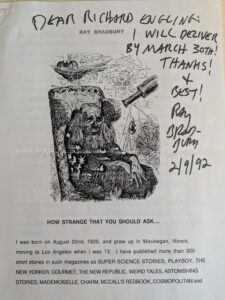
Bradbury accepted the project for us. Getting on the phone and discussing the topic with him and coming to an agreement on what he would write was exciting for me. I was a writer that other people hired. I’d never been in the position of hiring other writers before. It was amazing that my first hire was an internationally famous one—and he was a delight.
What struck me most of all in working with him was how he protected his time. If you wanted to talk with Ray Bradbury, you had to call him between noon and one. If you missed that window, you waited until the next day. That was one of the secrets behind his unbelievable output. The man was able to write so very much, and so very well, because he did not allow himself to be interrupted.
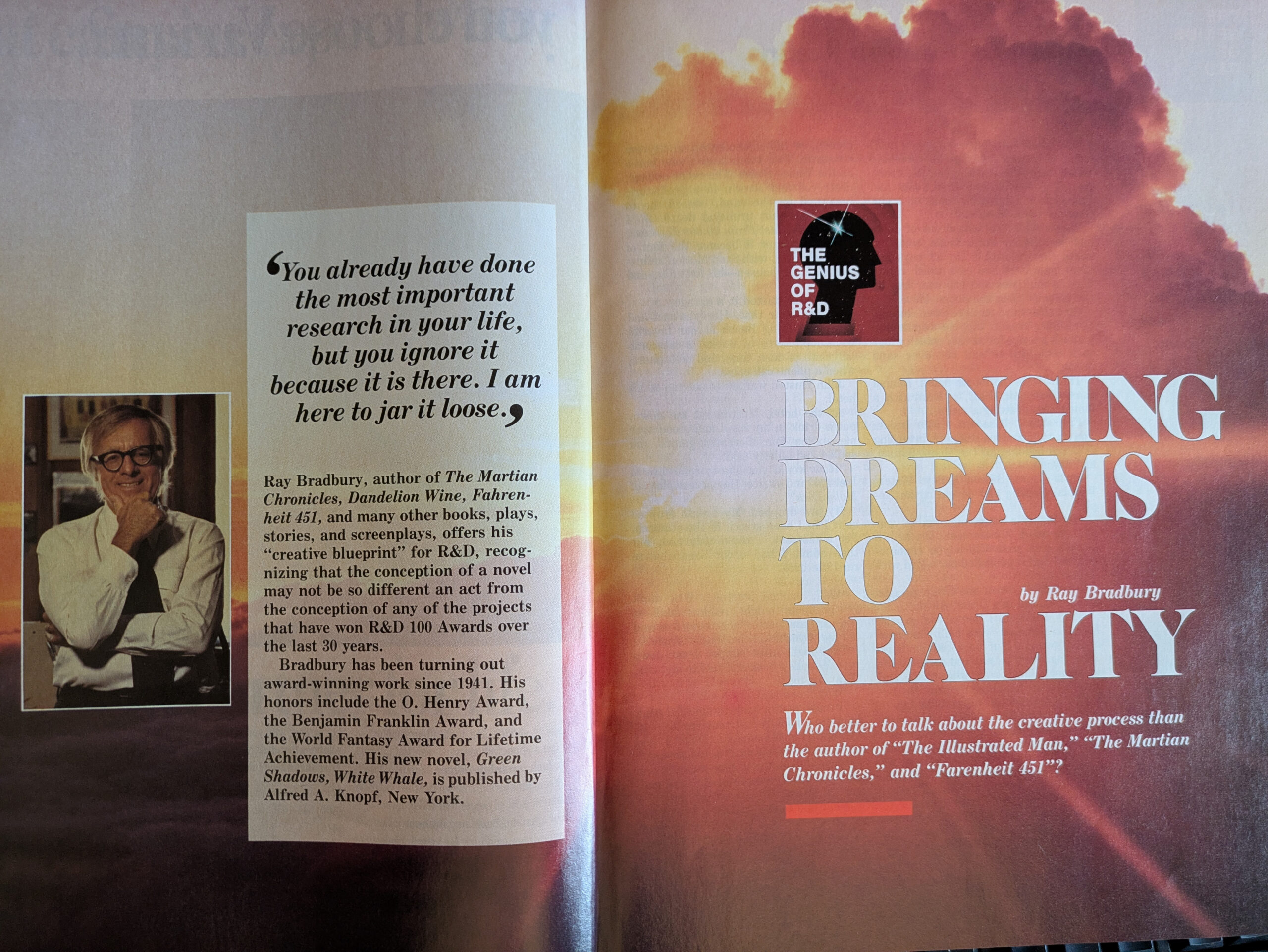 The editorial he wrote for us contended that everything in one’s life was part of the R in R&D. Anything in your memory could provide the spark of Research that inspired some Development that grew into a true accomplishment. It was not until after he’d written the novel, Dandelion Wine, that he met someone who reminded him that as a tiny child, Ray had gathered dandelions to bring to his grandfather’s basement to be pressed into juice for wine. The memory had gone deep into his subconscious, but had come out in the form of a book.
In my interview with Hoyt Yeatman, the founder of Dream Quest Images, I discovered that the bassoon had been instrumental in leading to his highly successful career in cinematic special effects. His bassoon won him a scholarship to UCLA, where he began studying music but veered off into film and animation. Then came his career in the movies and an eventual Oscar for Best Visual Effects for the film, The Abyss. One never knows where the R in R&D might be sourced.
In my own case, a lifetime interest in the theatre, as a theatre major in college, as a playwright, actor, director, and finally as the artistic director of Polarity Ensemble Theatre for a dozen years, was the R that led to the D of the Dwayne Finnegan series of novels.
And how did I apply what I’d learned from Ray Bradbury? During my career as a freelance marketing writer, I did allow my clients to interrupt me. If the phone didn’t ring, I didn’t get projects, and without projects, I didn’t make a living. Now that I’m no longer doing that work, I write my novels faster, without interruptions. The first three books of the Dwayne Finnegan Series have come out in three consecutive years, and I plan to release the fourth this Fall on the same annual schedule.
If you haven’t read them, especially if you enjoy the theatre, I invite you to dip in. They are available everywhere, in ebook, audiobook, and paperback.
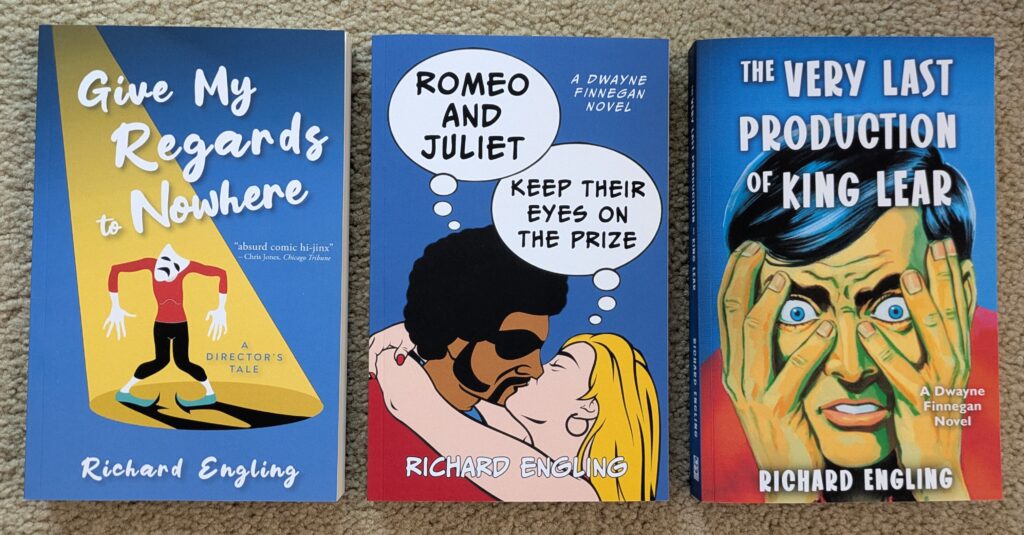


 Not all of us are attending and performing live theatre like we used to. The good news is that the second Dwayne Finnegan novel will soon take us back to the storefront theatre scene. Readers and critics have been loving the first book,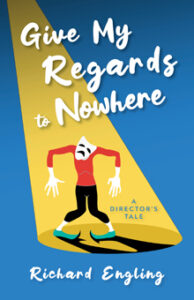


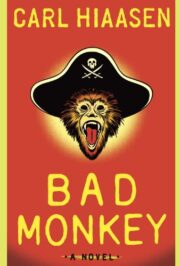
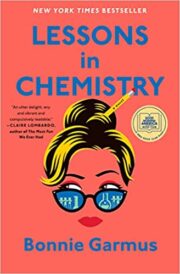
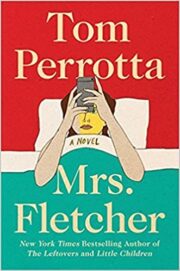
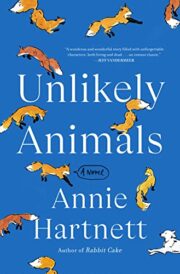
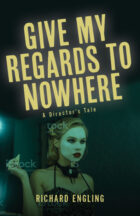
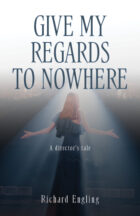
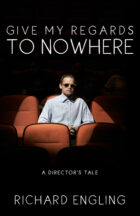
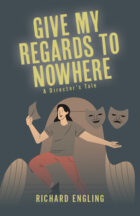
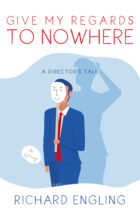
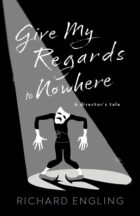 The image and the title treatment both seemed exactly right. But black and white seemed all wrong. I asked her to bring color to it, suggesting the blue from the background of UNLIKELY ANIMALS and making the mime’s shirt the red of MRS. FLETCHER.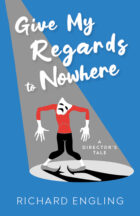
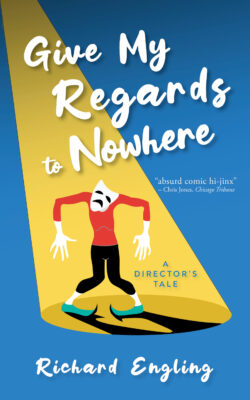 More blurbs and the first advance review came in, and what people wrote about the book was really exciting. Authors and critics were loving the book. Now came the job of editing those blurbs down to the few word phrases that would fit on the back cover. The final result was fantastic, and the book was ready for publication.